Cosmetic Dentistry FAQs: Answers to the Most Common Questions
@holdenlanu522
November 3, 2026 · 17 min read
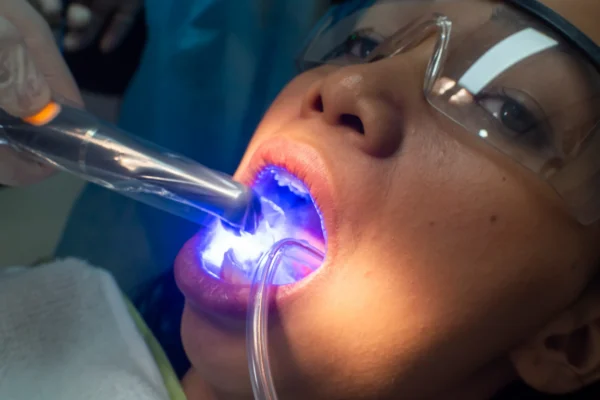

Cosmetic Dentistry sits at an interesting crossroads. People often come in asking for a nicer smile, but what they are really asking for is confidence, balance, and sometimes relief from years of self-consciousness. A chipped front tooth after a fall, deep staining that whitening toothpaste never touched, old bonding that now looks dull compared with the natural enamel beside it, these are not vanity issues to the person living with them. They affect photographs, work presentations, dating, and even the simple habit of laughing without covering the mouth.
Patients also tend to arrive with the same set of questions, and for good reason. Cosmetic work blends health, aesthetics, durability, and cost. Unlike a routine cleaning, there is judgment involved. The right choice depends on enamel thickness, bite forces, gum position, habits like clenching, and the patient’s expectations. A treatment that looks excellent on one person can be the wrong answer for another.
What follows are practical answers to the questions dentists hear most often about Cosmetic Dentistry, including where the trade-offs lie and what patients should understand before moving forward.
What counts as Cosmetic Dentistry?
Cosmetic Dentistry refers to dental treatments done primarily to improve appearance, though many procedures also improve function. Teeth whitening, bonding, porcelain veneers, tooth-colored fillings, enamel reshaping, gum contouring, and certain types of crowns all fall under the cosmetic umbrella. Clear aligners often do as well, especially when the goal is to improve alignment in visible areas.
The distinction between cosmetic and restorative is not always neat. A front tooth crown placed after a fracture is restorative because the tooth needs protection, but it is also cosmetic because the result has to match the smile. A patient replacing old silver fillings with tooth-colored material may be seeking a fresher appearance, but the work still has a functional purpose. In real practice, good dentistry usually serves both goals.
Is Cosmetic Dentistry only about looks?
No, and this is one of the biggest misconceptions. A better-looking smile can absolutely be the primary goal, but appearance and function are tied together more often than people expect. Closing a small gap can reduce food trapping. Correcting worn edges can restore proper tooth length and help speech. Aligning crowded teeth can make them easier to clean. Replacing old, leaky dental work with modern materials can improve both the look and the health of the tooth.
That said, not every cosmetic request is a health need. Some people want brighter teeth, more symmetry, or a more even smile line simply because it matters to them. That is a valid reason. The important part is having a dentist who can explain where the treatment is elective, where it protects the teeth, and where Cosmetic Dentistry a conservative approach is wiser.
Who is a good candidate for Cosmetic Dentistry?
Most healthy adults can benefit from some form of Cosmetic Dentistry, but being a candidate depends less on age and more on the condition of the mouth. Healthy gums, controlled decay, and a stable bite matter far more than whether someone is 28 or 68. I have Cosmetic Dentistry Toothworks of Bakersfield, Dentist and Orthodontist seen patients in their seventies get excellent results because they maintained their oral health and had realistic expectations.
A person may need some groundwork first. If there is active gum disease, untreated cavities, or heavy grinding, cosmetic treatment should usually wait until those issues are addressed. Otherwise, the nicest veneers in the world will not perform well on an unstable foundation.
A few signs that someone is ready for cosmetic treatment include:
- gums that do not bleed regularly and are free of untreated periodontal disease
- teeth that are largely cavity-free or can be restored first
- a bite that has been evaluated for clenching, grinding, or uneven forces
- expectations focused on improvement, not unattainable perfection
- willingness to maintain the result with hygiene, checkups, and in some cases a night guard
That last point matters more than people think. Cosmetic work is not a one-time purchase that can be ignored afterward. The best outcomes happen when patients understand that maintenance is part of the investment.
What is the most common cosmetic dental procedure?
Teeth whitening is probably the most requested starting point. It is conservative, relatively affordable compared with veneers or crowns, and can make a meaningful difference quickly. In-office whitening can brighten teeth in a single visit, while take-home custom trays often provide more gradual control over sensitivity and final shade.
After whitening, bonding is another common choice, especially for chips, small gaps, and minor shape corrections. Clear aligners are also frequently requested, because many adults want straighter teeth without visible metal braces.
The right answer depends on what is bothering the patient. If the issue is color, whitening may solve it. If the issue is shape, wear, spacing, or old visible dental work, whitening alone will not get there.
How long does teeth whitening last?
It varies, and anyone who gives a single number without context is oversimplifying it. For many patients, whitening results remain noticeable anywhere from several months to a couple of years. The range depends on diet, smoking or vaping habits, natural tooth structure, age-related darkening, and whether the patient uses touch-up trays.
Coffee, red wine, tea, curry, tomato sauces, and tobacco can all shorten the result. Some people naturally pick up stain faster than others because of enamel texture and tiny surface irregularities. If someone drinks coffee every morning and sips it over three hours, the result generally fades faster than in someone who has a cup with breakfast and rinses with water after.
A practical point often gets missed here: whitening works on natural teeth, not on crowns, veneers, fillings, or bonding. If a patient has older dental work on front teeth, the natural teeth may lighten while the restorations stay the same. Sometimes that is manageable, sometimes it means replacement is needed for a uniform result.
Are veneers the best way to get a perfect smile?
Veneers can be excellent, but they are not a universal answer, and the word “perfect” usually causes trouble. Porcelain veneers can dramatically improve color, shape, length, minor alignment issues, and overall smile harmony. In the right case, they are one of the most transformative tools in Cosmetic Dentistry.
They are also irreversible in many cases because some enamel is usually reshaped to make room for the veneer. Minimal-prep approaches exist, but they are not suitable for everyone. If a tooth already projects outward, placing a veneer with no reduction can leave it bulky. Good veneer design should look natural in speech and from profile view, not just in a posed photo.
Patients often do best with veneers when the goals include multiple changes at once: brightening resistant discoloration, closing spaces, refining shape, and correcting uneven wear. If someone simply wants straighter lower front teeth, aligners may be the better and more conservative first step. If one front tooth has a small chip, bonding might be enough.
A skilled cosmetic dentist will talk as much about what not to do as what can be done. That restraint is a good sign.
What is the difference between bonding and veneers?
Bonding uses tooth-colored composite resin shaped directly on the tooth. Veneers are thin shells, usually porcelain, made outside the mouth and then bonded onto the tooth. Both can improve appearance, but they behave differently.
Bonding is typically less expensive, faster, and more conservative. It can often be completed in one visit, and little to no enamel removal may be needed. It is a strong option for small chips, modest gaps, uneven edges, and localized changes. The trade-off is that composite tends to stain, wear, and lose polish sooner than porcelain. It is also more technique-sensitive when trying to mimic the depth and translucency of natural enamel on larger front-tooth cases.
Porcelain veneers generally offer greater stain resistance, long-term polish, and a more lifelike optical quality when done well. They also cost more and usually require at least two visits. Repairs are less straightforward than they are with bonding. If a bonded edge chips, it can often be touched up directly. If porcelain fractures, the remedy may involve replacing the veneer.
For many patients, bonding is a thoughtful starting point, especially when the changes are modest or the patient wants to preserve options. Veneers are often better when the aesthetic demands are higher and the underlying case supports them.
Do cosmetic dental procedures hurt?
Most cosmetic procedures are far less uncomfortable than people expect. Whitening can cause temporary sensitivity, especially in people who already react to cold. Bonding is often painless unless decay or significant contouring is involved. Veneer preparation may require local anesthesia, but the procedure itself should not be painful.
What patients remember more than pain is usually the duration of appointments, jaw fatigue from keeping the mouth open, or temporary sensitivity afterward. Clear aligners can create pressure when a new tray is inserted. Gum contouring may involve some soreness during healing. Crowns and veneers can leave teeth mildly sensitive for a short period, particularly if a lot of existing dental work is being replaced.
For anxious patients, the experience improves dramatically when expectations are set clearly. Knowing whether there will be numbness, temporary sensitivity, a provisional phase, or a short adjustment period makes the process feel manageable.
How much does Cosmetic Dentistry cost?
The honest answer is that costs vary widely by region, materials, complexity, and the experience of the dentist and lab. A simple whitening case is nowhere near the cost of a multi-veneer smile makeover. Bonding on one tooth is very different from rebuilding several worn front teeth. Even within the same city, fees can differ because some cases require more planning, higher-end ceramics, or custom lab artistry.
When patients compare prices, they should compare more than the final number. Ask what is included. Does the fee cover digital mock-ups, temporary restorations, follow-up adjustments, refinement visits, or a night guard if one is needed to protect the work? A low quote can become less appealing if essential steps are excluded.
It is also worth separating cost from value. A conservative treatment that lasts five years and preserves enamel may be a better decision than a more aggressive one that looks dramatic on day one but creates maintenance issues. Cosmetic Dentistry is not just about the first result. It is about how that result ages in the real mouth.
Does dental insurance cover Cosmetic Dentistry?
Usually, purely cosmetic treatment is not covered by dental insurance. Whitening, elective veneers, and cosmetic reshaping are commonly excluded. However, there are gray zones. If a procedure restores a damaged tooth, replaces a failing restoration, or addresses function as well as appearance, there may be partial coverage depending on the plan.
Patients are often surprised to learn that the same crown can be seen differently depending on why it is needed. If the tooth is fractured or heavily restored, insurance may contribute. If the tooth is healthy and the crown is being done only to change appearance, coverage is unlikely.
A good dental office can usually help submit pre-treatment estimates, but it is wise for patients to think of insurance as a possible contribution, not the deciding factor. Insurance plans are built around plan rules, not around what produces the best cosmetic or functional result.
How long do veneers, bonding, and crowns last?
Longevity depends on material, bite forces, oral hygiene, habits, and the quality of the planning and execution. As a general rule, well-made porcelain veneers often last many years, sometimes well over a decade. Bonding tends to have a shorter maintenance cycle, though small bonded repairs can also serve very well for years with good care. Crowns, especially on heavily restored teeth, can last a long time too, but they are not permanent in the absolute sense.
Grinding is one of the biggest variables. Someone who clenches heavily at night can wear or chip even beautifully done work. So can a patient who uses teeth to open packaging, chews ice habitually, or bites nails. On the other side, a patient who wears a custom night guard, keeps regular cleanings, and addresses small issues early often gets much more life from the treatment.
When dentists talk about longevity, they should talk about maintenance as well. Cosmetic restorations age. Margins may need monitoring. Stain may build at the edges of bonding. Gum levels can shift over time. The best work still needs stewardship.
Can crooked teeth be fixed without braces?
Sometimes, yes, but it depends on how crooked they are and why. Minor alignment issues can occasionally be masked with bonding or veneers, especially if the patient is also changing shape and color. This is sometimes called an “instant orthodontic” effect, though that term can be misleading. The teeth may look straighter from the front without actually being moved into healthier positions.
If the crowding is significant, if the bite is off, or if there is rotation that affects cleaning and function, clear aligners or braces are usually the better route. Moving the teeth rather than masking them often preserves more enamel and supports better long-term health.
There is an important judgment call here. If a patient has one slightly turned lateral incisor and wants a broad cosmetic improvement, veneers may make sense. If a patient has generalized crowding and edge-to-edge biting, trying to solve that cosmetically without orthodontics can create problems later.
Are clear aligners considered Cosmetic Dentistry?
Often, yes. Clear aligners appeal to many adults because they improve alignment discreetly. From a clinical standpoint, they also offer functional benefits when used properly, including better spacing for cleaning and improved bite relationships in suitable cases.
Patients sometimes assume aligners are only for minor fixes. That is not always true. They can handle a wide range of cases, though not every case. Treatment planning matters enormously. Moving teeth is biology, not software magic. Some situations still call for traditional braces, especially when more complex movement, significant bite correction, or greater control is needed.
Aligners also require discipline. If they are not worn as directed, results stall. That is why the best candidates are not just people who want straighter teeth, but people who are realistic about daily compliance.
Is Cosmetic Dentistry safe for teeth?
When treatment is planned conservatively and performed appropriately, Cosmetic Dentistry can be very safe. Problems tend to arise when the case selection is poor, the diagnosis is rushed, or the patient is pushed toward a more invasive option than necessary.
Whitening can cause temporary sensitivity, but it generally does not harm healthy enamel when done correctly. Bonding is conservative and enamel-friendly in many cases. Veneers and crowns require more scrutiny because they may involve irreversible tooth reduction. That does not make them bad treatments. It means they should be used with a clear reason and sound technique.
One practical rule serves patients well: start with the least invasive option that can realistically achieve the goal. If whitening and minor bonding will get a patient 80 to 90 percent of the way there, that may be the smarter choice than immediately cutting several healthy teeth for a more dramatic makeover.
What should you ask at a cosmetic consultation?
The quality of the consultation often tells you as much as the before-and-after photos. A careful dentist should examine the bite, gums, enamel, existing dental work, and smile line before recommending treatment. If the conversation jumps straight to the most expensive option, that is a red flag.
Useful questions include:
- what are my most conservative options
- how much natural tooth structure would be changed
- what maintenance should I expect over five to ten years
- how will this treatment hold up with my bite and habits
- if I do nothing now, what are the likely consequences
Those questions shift the conversation from sales to planning. That is where it should be.
How do you choose the right cosmetic dentist?
Cosmetic work is one area where artistry, communication, and technical skill all matter. A dentist may be excellent clinically and still not be the right fit for a highly appearance-driven case if their design sense or planning style does not align with the patient’s goals.
Look for consistency, not just dramatic marketing photos. Ask to see cases that resemble your own, not only flawless transformations under studio lighting. Pay attention to whether the smiles still look like real teeth and fit the faces they are in. Good cosmetic dentistry should look appropriate up close, at rest, and in motion.
The best cosmetic dentists also tend to be measured in their recommendations. They explain alternatives, discuss limitations, and do not promise perfection. That may sound less exciting than a glossy sales pitch, but it usually leads to better decisions.
Can old dental work be made to look more natural?
Very often, yes. This is one of the most satisfying parts of Cosmetic Dentistry. Replacing dark margins on old crowns, mismatched bonding, bulky veneers, or silver fillings in visible areas can dramatically refresh a smile without changing the person’s identity.
The challenge is that replacement dentistry can be more complex than first-time cosmetic work. There may be limited remaining enamel, gum recession, prior root canals, or uneven tissue levels to account for. Shade matching can also be tricky, particularly when only one or two front teeth are involved. A single central incisor crown is one of the hardest esthetic tasks in dentistry because the human eye notices even small asymmetries in the center of the smile.
When it is done carefully, though, updated restorative work can look cleaner, lighter, and more natural than patients expected possible.
What if I want a natural result, not a “done” look?
That is one of the healthiest preferences a patient can bring into the room. The most enduring cosmetic results usually do not look obvious. They look harmonious. Teeth should suit the face, age, lip shape, skin tone, and personality of the person wearing them.
A natural result often comes from respecting small asymmetries instead of erasing every one of them. It may mean choosing a shade that is brighter but not opaque white, keeping subtle translucency at the edges, and preserving tooth shapes that look believable. Younger teeth often have different surface texture and light reflection than older teeth. Copying that well takes restraint.
Patients who fear the “piano key” effect should say so early. It helps the dentist and ceramist calibrate the design. Cosmetic Dentistry is highly visual, and communication about style matters just as much as communication about mechanics.
How should you care for cosmetic dental work?
The basics are unsurprising, but consistency is everything. Brush thoroughly, floss or clean between teeth daily, keep regular maintenance visits, and address small chips or rough spots before they become larger repairs. If you grind, wear the night guard that was made for you. Many expensive failures happen not because the dentistry was poor, but because heavy nighttime forces were ignored.
Whitening touch-ups may be needed over time, especially if surrounding natural teeth darken while veneers and crowns remain stable in shade. Bonding may need repolishing. Margins should be checked periodically. Cosmetic work rewards patients who treat it as something worth preserving, not something finished forever.
The reassuring part is that well-planned Cosmetic Dentistry should fit into normal oral care, not create a complicated lifestyle. The goal is an improved smile that feels like your own, functions comfortably, and holds up in ordinary life, at dinner, in meetings, in family photos, and years after the excitement of the before-and-after reveal has passed.
Toothworks of Bakersfield, Dentist and Orthodontist
1030 H St #1, Bakersfield, CA 93304, United States
+1 661-323-9421
FAQ About Cosmetic Dentistry
Is bonding better than veneers?
Neither option is best for everyone. Composite bonding can address small chips, gaps, or shape concerns and is generally easier to repair. Porcelain veneers may offer greater resistance to staining and wear, but often require removal of some enamel. A dentist should assess your oral health, bite, goals, and budget before recommending treatment.
How long will dental bonding last?
Bonding commonly lasts about three to ten years before it needs repair or replacement, though this varies with the location and amount of bonding, your bite, and daily habits. Regular dental visits, good oral hygiene, and avoiding chewing hard objects can help protect it. Ask your dentist what lifespan is realistic for your particular treatment.
What are the risks of teeth whitening?
Whitening can cause temporary tooth sensitivity and gum irritation. Overuse or incorrect use may damage teeth or gums, and whitening does not change the color of existing crowns, veneers, or fillings. Have a dentist assess your teeth and gums, and follow the recommended product directions and treatment schedule.