How to Prepare for a Cosmetic Dentistry Appointment
@holdenlanu522
November 3, 2026 · 16 min read
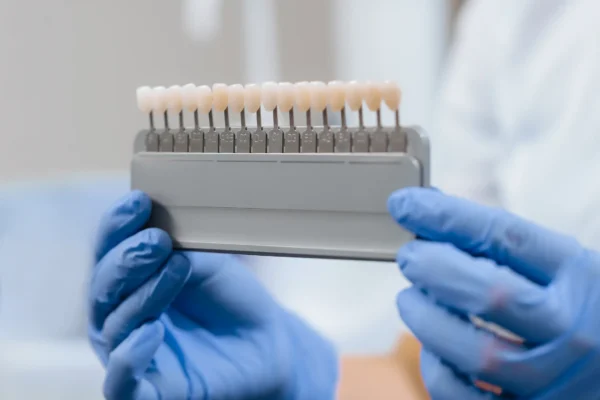
Walking into a cosmetic dentistry appointment without preparation is a little like touring a house before you know your budget, priorities, or deal-breakers. You can still have a useful visit, but the conversation tends to stay broad, and broad conversations rarely lead to the best decisions. Cosmetic work sits at an unusual intersection of health, appearance, money, and emotion. People often come in wanting “a better smile,” yet what they really mean can vary dramatically. One patient wants brighter teeth for a wedding in six weeks. Another wants to repair chips that have bothered her for a decade. Someone else wants veneers because he saw a celebrity smile online, then learns his bite makes that plan more complex than expected.
Preparation makes that first appointment far more productive. It helps your dentist understand what matters to you, and it helps you hear the recommendations with a clearer head. Cosmetic Dentistry is rarely one-size-fits-all. The right treatment depends on tooth color, enamel thickness, bite forces, gum position, existing fillings, habits like grinding, and the simple question of how natural or dramatic you want the final result to look.
A good appointment should leave you better informed, not pressured. The easiest way to get there is to do a little work before you sit in the chair.
Know what you want, but keep it specific
Many people prepare for a cosmetic consultation by collecting photos of perfect smiles and saying, “I want this.” That is understandable, but it is not especially useful on its own. A photo can start the conversation, yet your dentist needs more than a style reference. They need to know what you notice when you look in the mirror, what bothers you in photos, and what you absolutely do not want.
It helps to put your concerns into plain language. Maybe your front teeth look too short. Maybe one tooth darkened after an old injury. Maybe your teeth are healthy, but the shape feels uneven. Maybe you like the color of your teeth in daylight but hate how they look under warm indoor lighting. These details matter because they point toward different solutions. Whitening can help with generalized staining, but not with every dark spot. Bonding can reshape an edge beautifully, but it may not be the right answer for heavy bite pressure. Veneers can transform shape and color, but they are not a casual purchase.
The clearest consultations usually begin with a patient who can answer a few practical questions: What do you want to change? What do you want to keep? How soon do you want results? How much maintenance are you realistically willing to do? Those answers guide the entire discussion.
Separate inspiration from expectations
Before cosmetic appointments, people often spend hours online. Some arrive with screenshots filtered beyond recognition. Others have watched before-and-after videos that skip over the months of planning, temporaries, gum healing, and bite adjustments that may happen behind the scenes. Inspiration is fine. Distorted expectations are where trouble begins.
A natural smile is not a row of identical white rectangles. Teeth have small variations in translucency, texture, line angles, and edge shape. They also need to suit your face, lip movement, age, and speech. A smile that looks striking on a 22-year-old influencer may look artificial on a 48-year-old executive who wants subtle refinement. That is not a judgment. It is simply the difference between trend-based aesthetics and individualized dentistry.
Bring reference photos if you have them, but choose carefully. Include photos of smiles you like for shape, color, and overall style. Also bring a few older photos of yourself if there was a time when you liked your smile better. Dentists often get surprisingly useful information from a picture taken at a family event ten years ago. It reveals your natural tooth proportions, gum display, and facial balance before wear or staining became more obvious.
Understand what a cosmetic consultation can and cannot do
A consultation is usually an assessment, Cosmetic Dentistry not a same-day makeover. In some offices, whitening or simple bonding may happen quickly, but more often the first visit is meant to diagnose, photograph, examine your bite, review your medical and dental history, and discuss options. If the office is thorough, that first appointment may feel more detailed than you expected. That is a good sign.
Cosmetic changes are attached to biology. Teeth move, gums respond, existing crowns age, and enamel has limits. If you have clenching, recession, untreated decay, or inflamed gums, the best dentist will address those issues before talking aesthetics in a serious way. Patients sometimes feel disappointed when they hear that whitening should wait until sensitivity is controlled, or that veneers should not be placed until gum health improves. In reality, that caution protects both your appearance and your investment.
One of the most common misunderstandings is the idea that cosmetic work is purely surface-level. It is not. A smile makeover that ignores bite forces or gum symmetry can look good in photographs and still fail early. Durable cosmetic dentistry depends on healthy foundations.
Gather the information your dentist will need
If you are seeing a new provider, assume they know nothing about your dental history until you tell them. That sounds obvious, but people often forget important details because they do not seem relevant. A root canal from years ago, a front tooth injury in high school, whitening strips that caused zingers, a night guard you stopped wearing, old bonding that keeps chipping, jaw clicking, lip filler, smoking, frequent coffee, dry mouth from medication, or a habit of biting your nails can all shape the treatment plan.
You do not need to prepare a formal dossier, but it is smart to pull together a concise set of facts before you go.
- A list of previous dental work on visible teeth, especially crowns, bonding, veneers, root canals, and whitening
- Current medications, along with anything that affects dry mouth, bleeding, or healing
- Relevant habits such as grinding, smoking, vaping, frequent red wine or coffee intake, and nail biting
- Photos or notes showing what you dislike about your smile and what result you hope for
- Insurance details and a rough budget range, even if the treatment may not be covered
That last point is worth addressing directly. Cosmetic Dentistry is often paid out of pocket, though some parts of care may overlap with restorative needs. A fractured tooth may need treatment regardless of aesthetics. Replacing a discolored filling can sit somewhere between cosmetic and functional. If your budget is limited, say so early. An experienced dentist can often phase treatment, prioritize the most visible changes first, or suggest lower-cost alternatives such as whitening plus selective bonding instead of full veneer treatment.
Come in with clean teeth, but not a freshly stressed mouth
It helps to arrive with your teeth brushed and flossed, especially if the dentist will be evaluating stain, gum health, and the margins of existing restorations. Clean teeth make the exam easier and the conversation more precise. If plaque is obscuring the picture, the discussion can become less accurate.
At the same time, avoid overdoing it the day before. I have seen patients brush aggressively because they are embarrassed about staining or plaque, then arrive with irritated gums that bleed at the lightest touch. That makes shade matching, gum assessment, and comfort more difficult. Do your usual oral hygiene well, not aggressively.
If you are prone to sensitivity, skip any at-home whitening products for several days before the visit unless your dentist specifically advised otherwise. Temporary sensitivity can make it harder to evaluate your baseline and can color your emotional response to treatment discussions. A patient who sits in the chair with already-sensitive teeth may be far more anxious about perfectly reasonable treatment options.
Think about timing more carefully than most people do
Timing is one of the biggest sources of regret in cosmetic care. People often book consultations right before major life events and assume treatment can be completed in a neat window. Sometimes it can. Often it cannot, at least not without compromises.
Whitening is a good example. If you have a wedding, reunion, speaking event, or professional headshot session, do not start planning a week beforehand. Whitening may take time to stage, and if you also need bonding or veneers, the dentist will usually want whitening completed first so the final restorations can be matched to the brighter shade. Gum contouring, bite adjustments, or multiple appointments can extend the process. Even when treatment itself moves quickly, your mouth may need a little time to settle so you can speak, smile, and pose with confidence.
A safe rule is to build in more time than you think you need. For simple whitening, several weeks gives breathing room. For veneers, multiple front restorations, or any case involving gum reshaping or bite concerns, think in months rather than days. This is not because cosmetic dentists move slowly for sport. It is because careful aesthetic work often involves planning, laboratory steps, try-ins, refinement, and healing.
Wear and skip the right things on appointment day
What you wear is not medically critical, but practical choices can help. If you know photos will be taken, many dentists suggest avoiding bright lipstick, heavy lip stain, or self-tanner around the mouth because it can affect how color is perceived in images. Neutral makeup is usually easiest if shade matching will be part of the visit. If you wear bold lipstick because that is your daily look, it is not a disaster, but be ready to remove it for photographs.
Large cosmetic appointments are not the day to squeeze in with no time to spare. If your consultation may include imaging, impressions, mock-ups, or extended discussion, allow enough time that you are not checking your watch every five minutes. A rushed patient tends to make rushed decisions.
If you are considering sedation for future treatment and are anxious about dentistry, mention that when booking, not after you arrive. The office may need to schedule differently or review your medical history in more depth.
Be ready to discuss health, not just looks
Patients sometimes worry that bringing up jaw pain, gum recession, or old dental trauma will derail the cosmetic conversation. It does the opposite. These are precisely the details that lead to a sound plan.
Suppose you want porcelain veneers because your front edges are uneven. If those edges are uneven because you grind heavily at night, veneers may still be possible, but only with protection and a realistic maintenance plan. Suppose you want a bright, even smile, but your gums are inflamed and bleed when flossing. Whitening and veneers are not off the table forever, yet your dentist may want to stabilize gum health first because irritated tissue changes the way the final result frames the teeth. Suppose one central incisor is darker after trauma. That may call for a different strategy than generalized whitening.
This is where experience matters. Good cosmetic dentists do not just ask, “What shade do you want?” They ask how your teeth function, how your lips move, whether you show a lot of gum when smiling, whether old restorations are visible when you laugh, and whether your bite shifts or clicks. Cosmetics layered onto unresolved functional issues tend to age poorly.
Know the common options well enough to follow the conversation
You do not need a mini dental degree before your visit, but basic familiarity helps. Whitening lightens natural tooth color, though results vary depending on the cause and depth of discoloration. Bonding uses tooth-colored composite to repair chips, close small spaces, and refine shape. Veneers are thin coverings placed on the front surfaces of teeth, often for color, shape, size, or alignment concerns. Crowns cover more of the tooth and are often used when strength is also a concern. Clear aligners can straighten teeth before aesthetic refinements, which sometimes means you need less drilling or less masking later.
The important thing is not memorizing definitions. It is understanding the trade-offs. Bonding is conservative and often less expensive, but it can stain or chip over time. Veneers can create dramatic, durable changes, but they require more planning and financial commitment. Whitening is simple and effective for the right case, but it does not change the shape of teeth or the color of crowns and fillings. Orthodontic movement can improve alignment naturally, but it takes patience.
Dentists appreciate informed patients. They appreciate even more when patients understand that every option comes with maintenance, limits, and costs.
Ask better questions than “What’s the best treatment?”
That question is too broad to be useful. The better approach is to ask questions that reveal the dentist’s reasoning. You want to understand not only what they recommend, but why they recommend it for your mouth, your goals, and your timeline.
- What are the most conservative options for improving my smile, and what would they not fix?
- How long should I expect this result to last, and what maintenance usually comes with it?
- Will this treatment change the way I bite, speak, or clean my teeth?
- Are there existing fillings, crowns, or gum issues that could affect the final appearance?
- If I do nothing for now, is there any downside to waiting six months or a year?
Those questions tend to separate thoughtful planning from sales language. They also give you a better sense of whether the dentist sees the case in layers. A dentist who can explain the conservative option, the ideal option, and the limits of each is usually giving you a more honest consultation than someone who jumps straight to the most expensive package.
Budget for the whole picture, not just the headline treatment
One of the quiet shocks in cosmetic care is how often patients budget for the centerpiece and forget the surrounding costs. For example, if you are planning veneers, you may also need records, x-rays, diagnostic wax-ups, temporaries, replacement of older fillings on nearby teeth, whitening of untreated teeth for color harmony, or a night guard after treatment. None of that is fluff. It is part of making the result look coherent and last.
The same issue comes up with whitening. The cost is not just the initial treatment. If you drink coffee daily, smoke, or naturally pick up stain quickly, maintenance matters. Bonding may need periodic polishing or repair. Clear aligners may require retainers indefinitely. Cosmetic dentistry can be extremely worthwhile, but it is rarely a single transaction with no follow-up.
If finances are tight, ask whether treatment can be phased. In many cases, it can. A dentist might suggest alignment first, then whitening, then selective bonding later. Or whitening now, then replacing visible old fillings next year. Staging treatment does not always mean settling for less. Sometimes it produces a smarter result because you can see how each step changes your smile before committing to the next.
If you have dental anxiety, say it plainly
Cosmetic patients are often assumed to be relaxed because they are pursuing elective care. That assumption is wrong. Plenty of people who care deeply about their smile are also scared of dental treatment, ashamed of the condition of their teeth, or worried about being judged for waiting too long.
Tell the office and the dentist if you are anxious. A professional practice hears this every day. They can slow the pace, explain steps more clearly, plan shorter visits, use desensitizing measures, or discuss sedation when appropriate. The worst outcome is staying silent, becoming overwhelmed in the chair, and leaving without the information you came for.
A patient once described her ideal consultation to me in one sentence: “I want honesty without drama.” That is exactly right. Cosmetic dentistry should not feel like a beauty pageant or a lecture. It should feel like a clinical conversation shaped around your goals.
Be careful with same-day decisions
Excitement can make people impulsive, especially when they finally hear that their long-standing complaint can be fixed. There is nothing wrong with moving forward quickly when the plan is straightforward and you feel fully informed. But if the recommendation involves significant cost, irreversible tooth preparation, or multiple front teeth, it is wise to pause long enough to think.
Ask to review photos. Ask whether a mock-up or trial smile is possible. Ask what the result will look like in natural light, not just operatory light. Ask what happens if one veneer needs replacement years later. Ask how the dentist chooses shape and translucency. If you are comparing providers, compare the thoroughness of the planning, not only the quote.
Fast is not always bad. Rushed is.
What a well-prepared patient usually experiences
When patients prepare thoughtfully, the appointment tends to feel calmer and more productive. They are able to describe their concerns without reaching for vague phrases. They understand that healthy gums and a stable bite are not obstacles to cosmetic treatment, but part of it. They know their timeline, budget, and tolerance for maintenance. They ask questions that uncover the logic behind the recommendation.
That often changes the quality of the treatment plan. A dentist can tell the difference between someone who wants the brightest smile available at any cost and someone who wants subtle improvement that still looks like their own face. They can also better match treatment to personality. Some patients are meticulous and will wear a night guard, attend polish visits, and maintain whitening trays. Others know they want a low-maintenance option. Neither is wrong. The plan should reflect reality.
Preparation also protects you emotionally. Cosmetic changes can be deeply personal. Teeth sit at the center of speech, expression, confidence, and self-image. The more clearly you enter the appointment, the less likely you are to chase a look that does not actually suit you or agree to a treatment path you do not fully understand.
The best cosmetic dentistry rarely announces itself from across the room. It simply makes the smile look healthier, more balanced, and more at ease on the face. Getting there starts long before the first shade tab comes out. It starts with showing up ready to have the right conversation.
Toothworks of Bakersfield, Dentist and Orthodontist
1030 H St #1, Bakersfield, CA 93304, United States
+1 661-323-9421
FAQ About Cosmetic Dentistry
Is bonding better than veneers?
Neither option is best for everyone. Composite bonding can address small chips, gaps, or shape concerns and is generally easier to repair. Porcelain veneers may offer greater resistance to staining and wear, but often require removal of some enamel. A dentist should assess your oral health, bite, goals, and budget before recommending treatment.
How long will dental bonding last?
Bonding commonly lasts about three to ten years before it needs repair or replacement, though this varies with the location and amount of bonding, your bite, and daily habits. Regular dental visits, good oral hygiene, and avoiding chewing hard objects can help protect it. Ask your dentist what lifespan is realistic for your particular treatment.
What are the risks of teeth whitening?
Whitening can cause temporary tooth sensitivity and gum irritation. Overuse or incorrect use may damage teeth or gums, and whitening does not change the color of existing crowns, veneers, or fillings. Have a dentist assess your teeth and gums, and follow the recommended product directions and treatment schedule.